

*English translation follows the Japanese text.
ProQuestをご活用中の図書館での魅力的な取り組みをご紹介します。
「開かれた大学で図書館の価値を問い直す」
図書館の窓から
東京から新幹線で約2時間。新潟県南魚沼市浦佐にある国際大学を訪れた人は、一般的な大学にあるはずの「何か」がないことに気がつくかもしれません。
田園風景を望みながら細い脇道に入り、けやき並木を抜けると、山並みを背にした白い校舎が現れます。そう、この大学には正門がないのです。
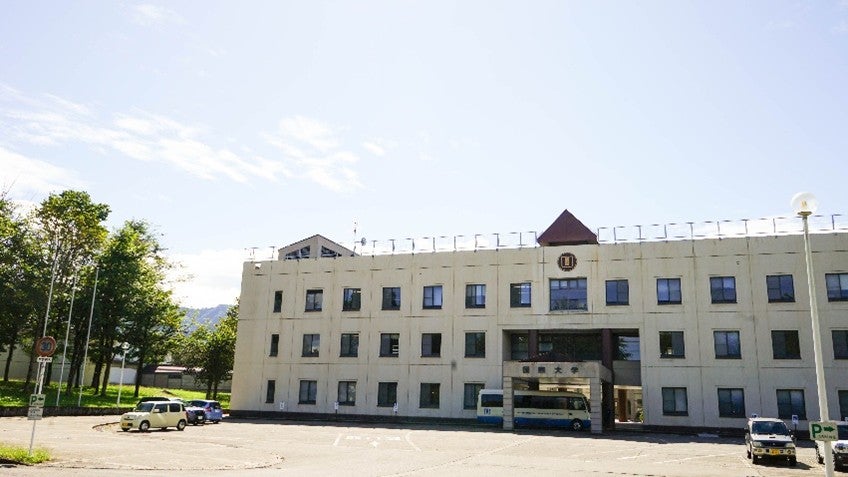
新潟県魚沼市浦佐の国際大学。Photo: Saori Tanaka/Clarivate
西側にある松下図書・情報センターは、市内唯一の大学図書館として、地域の人々が直接訪れることができます。
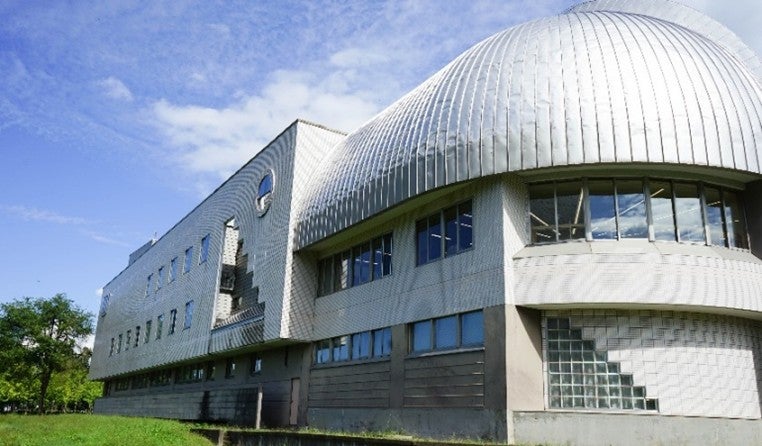
国際大学 松下図書・情報センター。
国際大学は、すべての授業を英語で行う日本初の大学院大学として1982年に設立。中核施設であるこの松下図書・情報センターは、語学と情報処理に長けた図書館員たちの手によって運営が始まりました。松下電器の寄付で近代的な図書館が建設された当時、初期のパーソナル・コンピューターであるNECのPC-8001が発売されたばかりで、蔵書管理の主流は、手書きの図書カードでした。図書館に「情報」機能を設けるという発想は、来るべきインターネット時代を予見していたかのようです。
90年代初頭に図書館員として着任した小島勢子氏は、図書カードからデータベース、そしてインターネットからAIへと、蔵書検索を支える技術変革を身をもって体験してきたベテラン職員の一人です。JICA(国際協力機構)やIMF(国際通貨基金)などの厳しい審査を経て来日した学生たちの研究を図書館の中から支えています。
「図書カード時代は、皆が図書館に来て教科書を選んでいたので、私たちも学生の顔と名前、所属や研究の関心まで結びつけやすかったですね」と小島氏は振り返ります。「ほとんどの情報がオンラインで手に入るようになった今では、学生が図書館で利用できるサービスについて届ける工夫をしたり、メールやメッセージで舞い込む問い合わせに答えたりと、慌ただしい毎日です」。
学生アシスタントが支える広報活動
現代の図書館で広報活動を担うのが、学生アシスタント、通称LSA(Library Student Assistant)のメンバーたちです。出身地も文化的背景も異なる13名の学生たちが協働しています。
「私たちは上下関係のない“水平型”のチームです」と語るのは、ウズベキスタン出身のイリョスベクさん。LSAのチームでは、ソーシャルメディアを活用した情報発信に力を入れており、新入生の図書館利用のハードルを下げることを目指しています。
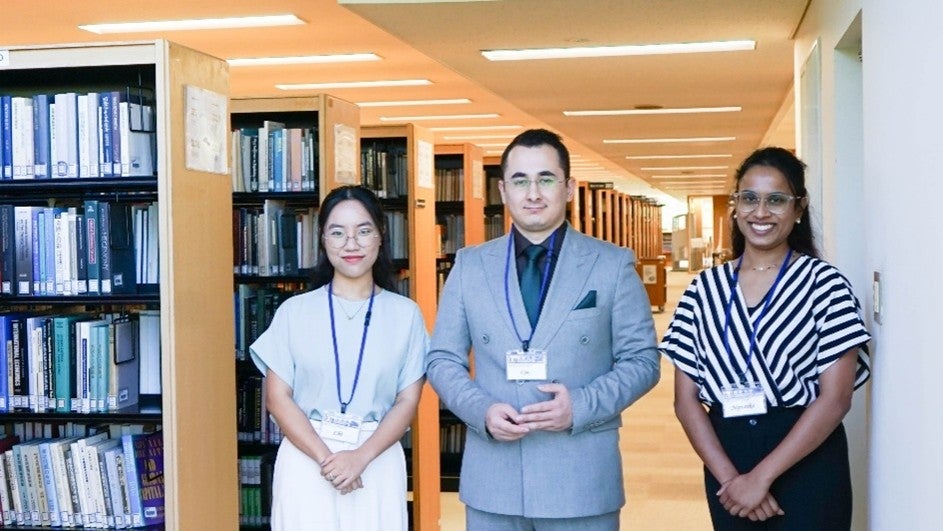
図書館学生アシスタントが広報を担う。左から、ハン・チー・グエンさん、 イリョスベク・ラヒモフさん、サンドゥニ・二プニカさん。
「ウズベキスタンにおける持続可能な開発モデル」をテーマに研究を進めるイリョスベクさんは、ProQuestのオーディオ資料を通学中に聞くことで、時間を有効活用しています。
また、スリランカ出身のニプニカさんは、「南アジアに対するインドの地政学的影響」を探る過程で、ProQuestから過去の学位論文を参照し、自身の修士論文の構成に役立てています。
さらに、「教育におけるIT格差」の問題を分析しているベトナム出身のチーさんは、来日して初めて触れたProQuestについて、「一つの論文をダウンロードすると、思いがけない関連資料に出会えるのがうれしいです」と話します。
この大学で最初に導入されたデータベースであるProQuestは、収録媒体の形式の変化とともに進化しながら、現代の学生たちの学びを支えています。小島氏の企画力とLSAの広報力により、ProQuest講習会はいつも満席です。
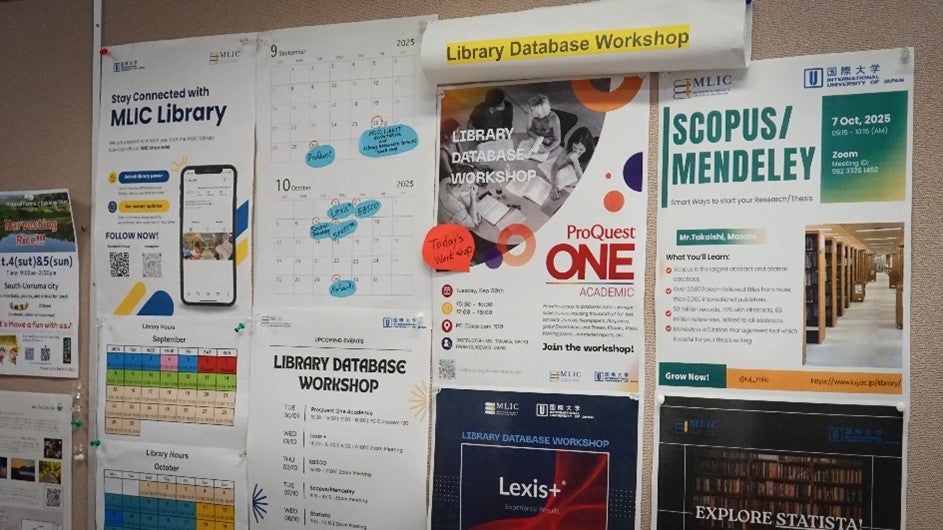
LSAチームが作成したProQuest講習会のお知らせなどのポスター。
データベースの導入によって一時は半減した紙の蔵書も、現在は10万冊を維持しています。新たに加わった蔵書のうち重複する資料は、私立大学図書館協会の海外寄贈資料搬送事業の補助金を活用し、修了生に関連する大学図書館に寄贈されています。松下図書・情報センターで維持されている紙の本の背表紙を新しく糊付けして、後輩たちのためにきれいな状態に保つのも、LSAの大切な任務のひとつです。
小さな大学図書館が目指すもの
「時代に応じた工夫を引き継ぎながら、お金に換えがたい価値を提供していくのが、私たちのような小さな大学図書館が目指す姿なのかなと思います」と小島氏は語ります。
インターネットが整備される以前、手書きの図書カードの情報を端末に打ち込む仕事に取り組んだのは、世界各地の図書館員たちです。こうした新しい技術に対する探求心と地道な努力により、今ではどの図書館にどの本があるかを簡単に検索できるようになりました。
この新潟の地で働く小島氏は、大学図書館における他に換えがたい場の魅力や、人のつながりの在り方を、一貫して模索し続けています。時間や場所を超えて多くの人々とつながることが容易になった今だからこそ、「人が集う場」としての図書館の価値が、改めて問い直されています。
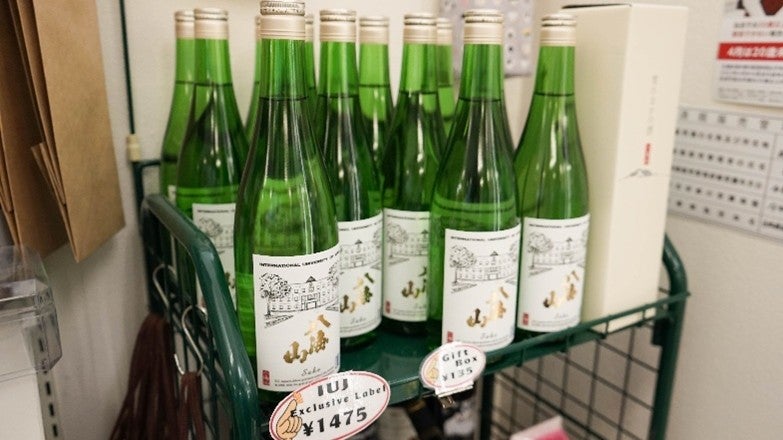
日本酒で有名な八海山と国際大学の共同企画で生まれた特製酒。
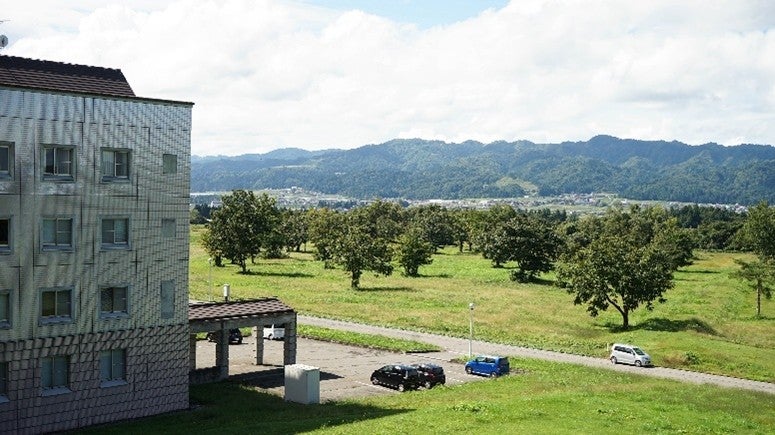
松下図書・情報センターの窓からの眺め。
これからこの大学を訪れる人は、世界中から学生たちを惹きつけてきたこの場所の魅力を探してみるといいかもしれません。日本酒で有名な八海山との共同企画で生まれた特製酒、八海山の麓に広がる自然豊かなキャンパス、ひとつの家族のようなコミュニティ。そして何より、松下図書・情報センターを支える人々が思い描く理想の図書館像に、大きなヒントが隠されているはずです。
—————————————————————————————————
English translation:
Library Journeys: The People Who Carry Forward Knowledge
Introducing inspiring initiatives from libraries where ProQuest plays a key role
“No gates, no limits”
From a window of the library
Just two hours from Tokyo by bullet train, visitors to Urasa in Minamiuonuma City, Niigata Prefecture, may notice something unusual about the International University of Japan (IUJ). There’s something missing — something you’d expect to find at any other university.
After passing through a narrow country lane lined with rice fields and walking beneath a row of zelkova trees, a white building comes into view against the backdrop of the mountains. It’s then that you realise: this university has no main gate.
International University of Japan. Photo: Saori Tanaka / Clarivate
Located on the west side of campus, the Matsushita Library & Information Center (MLIC) is the only university library in the city and is open to the local community.
Matsushita Library & Information Center at IUJ.
Founded in 1982, IUJ was Japan’s first graduate school to offer all classes in English. The library, a core university facility, was built with a donation from Matsushita Electric and is managed by librarians who are skilled in both foreign languages and information management. When the library was built, NEC had just released its PC-8001 and library cataloguing was still done using handwritten index cards. The idea of equipping the library with “information” functions seemed to anticipate the coming internet age.
Seiko Kojima joined the library staff in the early 1990s and has witnessed the evolution of cataloguing technologies, from index cards and databases to the internet and AI. She has supported students who came to Japan through rigorous selection processes by organisations such as JICA and the IMF in their research.
“In the days before computers, students would come to the library to choose textbooks, which made it easier for us to put faces to names and learn about their affiliations and research interests,” Kojima recalls. “Now that most information is available online, we spend our days finding ways to communicate library services and responding to enquiries via email and messaging.”
Student assistants leading library outreach
Today, library outreach is led by a team of 13 Library Student Assistants (LSAs) from diverse cultural and geographic backgrounds.
“We’re a flat team with no hierarchy,” says Ilyosbek Rakhimov, who is from Uzbekistan. The LSA team uses social media to lower the barriers for new students and encourage them to use the library.
Library Student Assistants supporting library outreach. From left: Hanh Chi Nguyen, Ilyosbek Rakhimov, and Sanduni Nipunika.
To make the most of his commute time, Ilyosbek listens to audio materials from the ProQuest content solution service while conducting research on sustainable development models in Uzbekistan.
Sanduni Nipunika from Sri Lanka is exploring India’s geopolitical influence in South Asia. She refers to existing dissertations on ProQuest to help structure her own Master’s thesis.
Hanh Chi Nguyen from Vietnam, who is analyzing IT inequality in education, first encountered ProQuest after arriving in Japan. “When I download one paper, I often discover unexpected related resources,” she says.
ProQuest, the first database introduced at IUJ, has evolved alongside changes in media formats and continues to support students in their academic journey. Thanks to Kojima’s planning and the LSA team’s outreach, ProQuest workshops are always fully booked.
Posters, including a ProQuest One Academic workshop created by LSAs.
Although the number of physical books initially halved with the introduction of databases, the library now maintains a collection of 100,000 volumes. Duplicate materials among the newly acquired books are donated to university libraries associated with graduates, utilizing subsidies from the Private University Library Association’s Overseas Donated Materials Transport Project. As for the books kept on-site, one of the important missions of the LSAs is to re-glue the spines of paper books to preserve them in pristine condition for future generations.
What a small university library strives for
“By passing down knowledge and adapting to the times, we aim to provide value that money can’t buy,” says Kojima. “That’s the vision we have for a small university library like ours.”
Before the internet, it was librarians around the world who painstakingly entered handwritten catalog data into early computer systems. Their curiosity for new technology and steady efforts made it possible for us to search library holdings with ease today.
Based in Niigata, Japan, Kojima continues to explore the irreplaceable value of university library as a place of human connection. In an age where we can connect with people across time and space, the role of the library as a “place where people gather” is being reexamined.
Special sake brewed in collaboration with the renowned Hakkaisan brewery.
View from a window of Matsushita Library & Information Center.
Visitors to IUJ may find themselves discovering the unique charm of this place—its special sake brewed in collaboration with the renowned Hakkaisan brewery, its nature-rich campus at the foot of Mount Hakkai, and its close-knit community.
Above all, it is the vision of the people behind the Matsushita Library & Information Center that offers the deepest insight into what makes this university truly special.


